
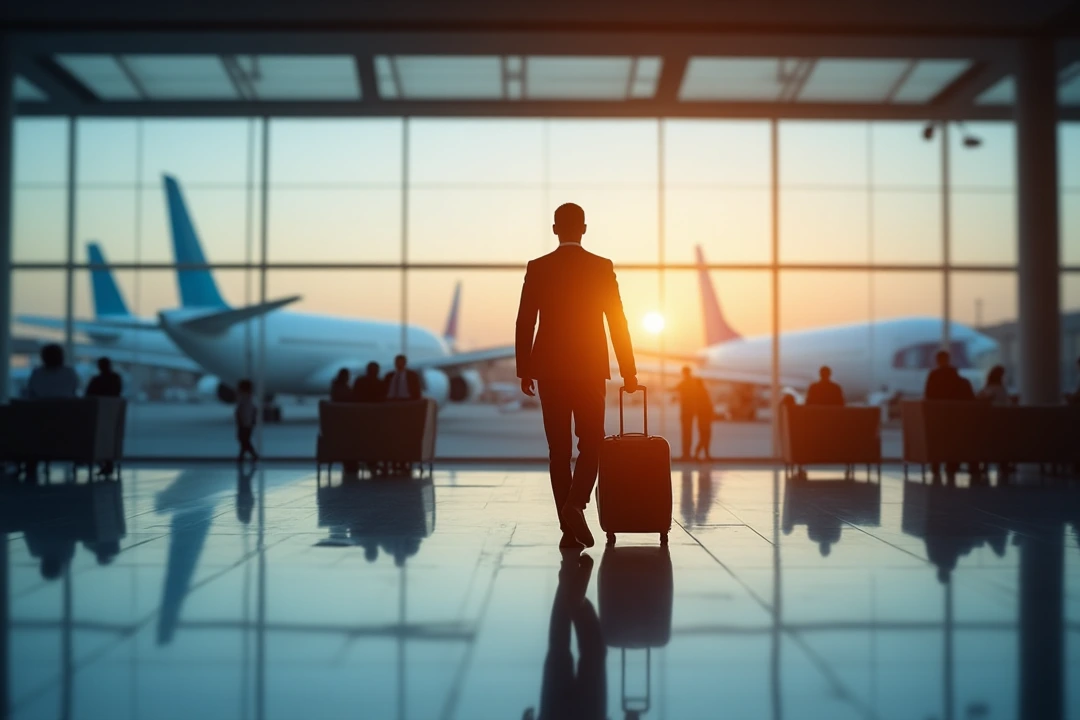

You land at 5:30 a.m. local time. Your inbox is already full. A client meeting starts at 9:00. The coffee helps, but not enough.
Red-eye flights are a familiar trade-off in business travel. They promise time saved and fewer daylight hours lost in transit. Yet they often leave professionals tired, foggy, and less prepared than they would like.
For business travellers, overnight flights can either sharpen efficiency or quietly erode performance. The difference lies in preparation. This guide offers practical, field-tested red-eye flight tips to help you arrive focused, presentable, and ready to work.
Why Business Travellers Choose Red-Eye Flights
A red-eye flight typically departs late at night and arrives early the next morning. For corporate travel, that timing can be attractive.
Common reasons professionals book overnight flights include:
- Preserving daytime work hours
- Reducing the need for an extra hotel night
- Aligning with early meetings or conferences
- Maximising time at the destination
- Securing lower airfare compared to peak daytime routes
In competitive industries, the ability to step off a plane and walk into a meeting matters. But that efficiency only works if your energy holds up.
The Real Challenge: Sleep Deprivation and Performance
Research from the National Sleep Foundation shows that adults need seven to nine hours of sleep per night for optimal cognitive function. Most red-eye travellers fall short.
Even mild sleep deprivation can affect:
- Decision-making
- Reaction time
- Emotional regulation
- Memory recall
- Presentation clarity
For professionals presenting to clients or negotiating contracts, these factors are not minor inconveniences. They directly influence outcomes.
The goal is not to avoid red-eye flights altogether. It is to manage them intelligently.
How to Prepare Before a Red-Eye Flight
Adjust Your Sleep Schedule in Advance
If possible, shift your sleep schedule by one to two hours in the days before departure.
For eastbound travel:
- Go to bed slightly earlier
- Reduce evening screen exposure
- Wake up earlier
For westbound travel:
- Stay up a little later
- Get evening light exposure
Small adjustments can reduce the shock to your system.
Choose the Right Seat Strategically
Seat selection is not cosmetic. It influences your rest quality.
- Window seats allow you to lean against the wall and control light exposure
- Avoid seats near galleys or lavatories where noise increases
- Bulkhead seats offer space but sometimes restrict armrests
- Exit rows provide legroom but may not recline
If your company travel policy allows it, upgrading to premium economy on long-haul red-eye flights can significantly improve sleep posture.
Pack a Compact Sleep Kit
Business travellers often focus on laptop chargers and presentation clickers. Sleep tools deserve equal priority.
Consider carrying:
- Noise-cancelling headphones
- An eye mask
- A small neck pillow
- Compression socks
- A refillable water bottle
These items take little space yet make a measurable difference in comfort.
What to Do at the Airport
Eat Light Before Boarding
Heavy meals before a red-eye flight can disrupt sleep and digestion.
Opt for:
- Lean protein
- Complex carbohydrates
- Limited sugar
- Minimal alcohol
Alcohol may feel relaxing, but it fragments sleep cycles and increases dehydration.
Stay Hydrated
Cabin air is dry. Dehydration contributes to fatigue and headaches.
Drink water before boarding and during the flight. Limit caffeine after mid-afternoon, especially on eastbound routes.
In-Flight Strategies for Better Rest
Sleep Early, Not After the Meal Service
On overnight flights, cabin service often delays sleep. If rest is your priority:
- Consider skipping the full meal
- Request a light snack instead
- Signal to flight attendants that you prefer not to be disturbed
The earlier you sleep, the more complete your rest cycle.
Use Time-Zone Alignment
Adjust your watch to the destination time as soon as you board.
If it is nighttime at your destination, sleep. If it is nearing morning, aim for shorter rest and plan for strategic naps later.
This approach helps regulate circadian rhythm disruption.
Avoid Excessive Screen Time
Blue light exposure interferes with melatonin production.
If you must review slides or answer emails:
- Lower screen brightness
- Use night mode settings
- Stop at least 30 minutes before attempting sleep
Your brain needs a clear signal that it is time to rest.
Landing Smart: The First Six Hours Matter
Arriving early in the morning creates a decision point. Do you push through or find a place to rest?
Book Early Check-In When Possible
If your meeting is later in the day, reserve a hotel room with guaranteed early check-in.
Short rest strategies include:
- A 60 to 90 minute nap
- A shower to refresh circulation
- Light stretching
Even brief rest can restore mental sharpness.
Use Natural Light to Reset
Exposure to daylight helps recalibrate your internal clock.
Step outside if possible. Walk for ten to fifteen minutes. Light movement improves alertness more effectively than another coffee.
Red-Eye Flights and Corporate Travel Policy
Many corporate travel policies address cost control but overlook traveller wellbeing.
Forward-thinking organisations now consider:
- Minimum flight duration thresholds for overnight bookings
- Approved cabin classes for long-haul red-eyes
- Rest policies before critical meetings
- Travel risk management protocols
Guidance from industry bodies such as the Global Business Travel Association highlights the connection between traveller wellbeing and productivity.
For HR and finance teams, red-eye flights are not just a cost decision. They are a performance variable.

Health and Safety Considerations
Manage Circulation on Long Flights
Extended sitting increases the risk of circulation issues.
The Centers for Disease Control and Prevention recommends:
- Standing every two to three hours
- Flexing ankles and calves
- Wearing compression stockings on longer routes
Movement supports both physical comfort and cognitive clarity.
Protect Immune Health
Business travel exposes professionals to crowded environments.
Strengthen your resilience by:
- Getting adequate sleep before departure
- Staying hydrated
- Washing hands frequently
- Avoiding face touching
A single illness can disrupt multiple meetings.
Technology Tools That Help
Smart tools can make overnight travel smoother.
Useful options include:
- Sleep tracking apps to monitor rest cycles
- Airline apps for gate updates and seat management
- Corporate travel management platforms for itinerary tracking
- Expense tools for real-time receipt capture
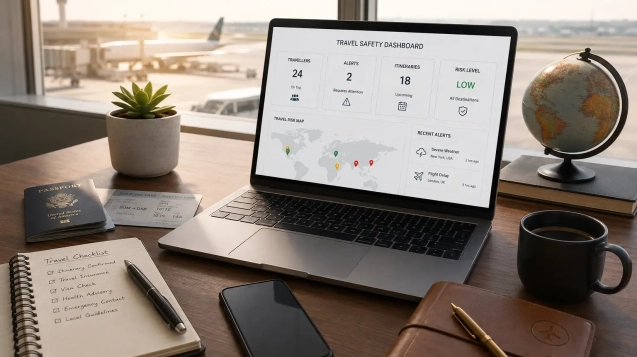
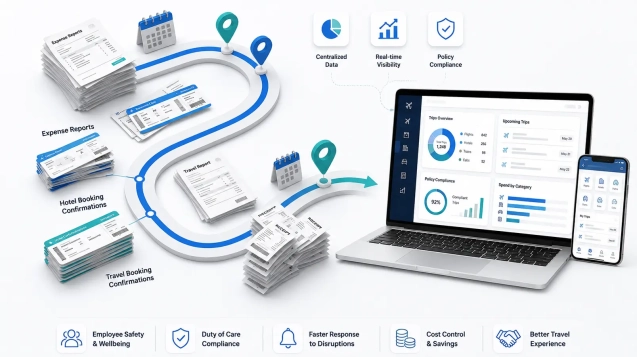
Integrated travel dashboards also help companies track patterns in overnight travel frequency and associated costs.
When Red-Eye Flights Make Sense and When They Do Not
Not every itinerary benefits from overnight travel.
Red-eyes work best when:
- Meetings start mid-morning or later
- Travel time exceeds five hours
- You can secure uninterrupted rest
- The trip is short and tightly scheduled
They may not be ideal when:
- Presentations require peak cognitive performance early morning
- You have existing sleep deficits
- The flight is under four hours
- Recovery time is unavailable
Business travel efficiency must account for human limits.
Practical Checklist for Business Travellers
Before Booking:
- Confirm meeting start times
- Assess time-zone difference
- Review company travel policy
- Consider cabin comfort
Before Departure:
- Adjust sleep schedule
- Pack a sleep kit
- Eat light
- Hydrate well
On Arrival:
- Seek daylight exposure
- Nap strategically if needed
- Avoid excessive caffeine
- Schedule high-focus tasks after peak alertness
Small steps compound into better performance.
The Financial Perspective: Cost Versus Productivity
From a finance standpoint, red-eye flights often reduce:
- Hotel nights
- Daytime productivity loss
- Higher daytime airfare costs
However, hidden costs include:
- Reduced meeting effectiveness
- Slower decision-making
- Increased health strain
- Burnout risk
The most effective corporate travel strategy balances direct savings with performance sustainability.
FAQ: Red-Eye Flights for Business Travellers
Are red-eye flights good for business travel?
They can be efficient for preserving work hours and reducing hotel stays. However, they require proper planning to avoid fatigue-related performance issues.
How can I sleep better on a red-eye flight?
Choose a window seat, use an eye mask and noise-cancelling headphones, avoid heavy meals and alcohol, and align sleep with the destination time zone.
Is it better to work or sleep on an overnight flight?
For most professionals, prioritising sleep improves next-day performance more than completing additional work mid-flight.
Should companies allow premium seating for red-eye flights?
For long-haul overnight travel, enhanced seating may improve rest quality and meeting effectiveness, particularly for senior leaders or client-facing roles.
How do you avoid jet lag after a red-eye?
Adjust sleep patterns before departure, align with destination time upon boarding, seek natural light after arrival, and stay hydrated.
Final Thoughts: Travel Smart, Perform Better
Red-eye flights are part of modern corporate travel. They offer efficiency, flexibility, and sometimes cost savings. Yet they also demand thoughtful preparation.
Business travellers who manage sleep, hydration, timing, and recovery arrive sharper and more effective. Companies that recognise the productivity implications of overnight travel build stronger travel policies.
If your organisation wants better visibility into travel patterns, traveller wellbeing, and policy compliance, now is the time to act.
Contact our team to explore how a modern travel and expense management platform can help you optimise overnight travel decisions, improve reporting accuracy, and support employee performance. Book a demo today and make every mile count.