



A senior executive is on the way to the airport when a message arrives. The flight has been delayed. Ten minutes later, it is cancelled. The client meeting is still scheduled for the next morning in another city.
Situations like this are common in business travel. Weather disruptions, airline rescheduling, operational issues, and even local events can alter travel plans without warning. For companies that rely on travel for sales, partnerships, and operations, these disruptions can affect both cost and productivity.
Managing sudden travel changes in corporate travel requires more than quick reactions. It demands preparation, clear processes, and the right tools to respond effectively. This guide explains how organisations can handle travel disruptions with minimal impact on business operations.
Why Travel Disruptions Are Increasing
Travel disruptions are not new, but their frequency and impact have grown in recent years.
Airlines operate on tight schedules. Airports handle increasing passenger volumes. External factors such as weather patterns and operational constraints create unpredictable conditions.
Airlines like IndiGo and Air India manage large networks across domestic and international routes, which means delays in one part of the system can affect multiple flights.
Industry insights from the International Air Transport Association highlight how operational complexity contributes to delays and schedule changes.
For businesses, this means travel disruptions are not occasional exceptions. They are a regular part of corporate travel that must be managed proactively.
Common Types of Sudden Travel Changes
Understanding the types of disruptions helps companies prepare more effectively.
Flight Delays and Cancellations
The most frequent disruptions involve delays or cancellations.
These may occur due to:
- Weather conditions
- Technical issues
- Air traffic congestion
Even a short delay can affect connecting flights and meeting schedules.

Last-Minute Schedule Changes
Business priorities can change quickly.
Examples include:
- Rescheduled client meetings
- Extended project timelines
- Urgent travel requirements
These changes often require immediate rebooking.
Overbooked Flights
Airlines sometimes overbook flights to manage no-show rates.
This can result in travellers being denied boarding, especially on busy routes such as Mumbai to Delhi.
Local Disruptions at Destination
Events at the destination can also affect travel plans.
These may include:
- Public events or conferences
- Transportation strikes
- Weather disruptions
Travellers arriving in cities such as Dubai or London may encounter local challenges that require adjustments.
The Business Impact of Poor Travel Disruption Management
When disruptions are not handled effectively, the impact goes beyond inconvenience.
Missed Business Opportunities
Delayed or cancelled travel can result in missed meetings, lost deals, or weakened client relationships.
Increased Travel Costs
Last-minute rebookings often involve higher fares and limited availability.
Employee Stress and Productivity Loss
Uncertain travel conditions can create stress for employees, affecting their performance during business engagements.
Lack of Visibility
Without centralised travel tracking, companies may struggle to locate and support travellers during disruptions.
How to Prepare for Travel Disruptions
Preparation is the most effective way to reduce the impact of sudden travel changes.
Build Flexibility into Travel Policies
Rigid travel policies can make it difficult to respond to disruptions.
Companies should allow reasonable flexibility for:
- Flight changes
- Alternative routes
- Extended stays when necessary
Policies should balance cost control with practical travel needs.
Encourage Smart Booking Practices
Booking choices can influence how easily travel plans can be adjusted.
Best practices include:
- Selecting flights with flexible change options
- Avoiding tight connection schedules
- Booking earlier flights when possible
For example, travellers flying from Chennai to Bengaluru may benefit from choosing flights with multiple daily alternatives.
Maintain Updated Traveller Information
Accurate traveller information helps companies respond quickly during disruptions.
Essential details include:
- Contact information
- Travel itineraries
- Emergency contacts
This information should be accessible in real time.
Responding to Travel Changes in Real Time
When disruptions occur, speed and coordination are critical.
Monitor Travel Updates Continuously
Travel managers should have access to real-time updates on:
- Flight status
- Airport conditions
- Local travel disruptions
Travel management platforms provide these updates automatically.
Identify Affected Travellers Quickly
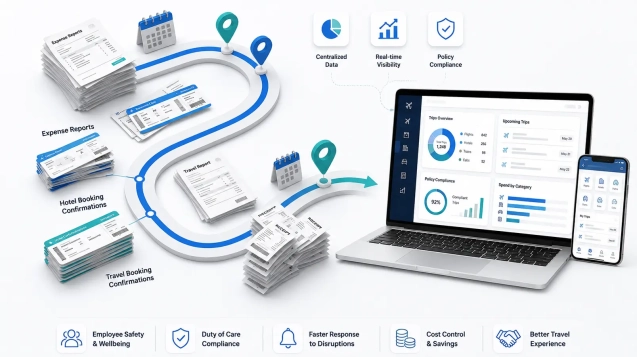
Centralised travel systems allow companies to see which employees are impacted.
For example, if a flight disruption occurs at Delhi airport, travel managers can immediately identify all travellers scheduled to depart from or arrive at that location.
Provide Immediate Alternatives
Quick rebooking is essential to minimise disruption.
Options may include:
- Alternative flights
- Different airlines
- Adjusted travel routes
Access to multiple travel suppliers increases the likelihood of finding suitable alternatives.
The Role of Technology in Managing Travel Disruptions
Technology has become essential for handling sudden travel changes efficiently.
Modern travel platforms integrate booking, tracking, and communication into a single system.
Platforms like AtYourPrice help organisations manage disruptions more effectively.
Real-Time Alerts
Travellers and travel managers receive instant notifications about:
- Flight delays
- Gate changes
- Cancellations
This allows for faster decision-making.

Centralised Travel Visibility
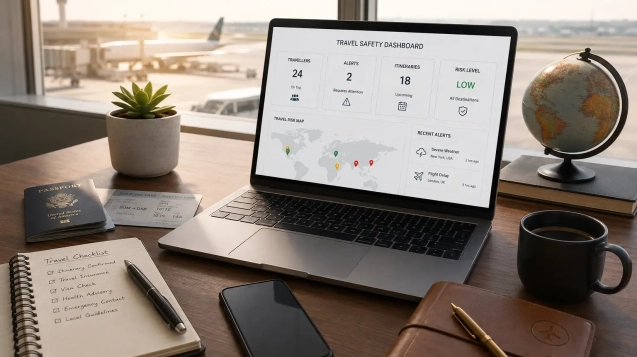
A unified platform provides a complete view of all ongoing trips.
This visibility helps companies:
- Track traveller locations
- Identify affected employees
- Coordinate support quickly
Automated Rebooking Support
Some systems assist with rebooking by suggesting alternative flights or routes.
This reduces the time required to resolve disruptions.
Supporting Travellers During Disruptions
Handling disruptions is not just about logistics. It also involves supporting employees.
Clear Communication
Travellers should receive timely updates about:
- Changes to their itinerary
- Available alternatives
- Next steps
Clear communication reduces confusion and stress.
Access to Assistance
Employees should know how to get help when needed.
Support may include:
- Travel manager assistance
- Airline customer service
- Emergency support channels
Flexible Expense Policies
Unexpected changes often lead to additional expenses.
Companies should allow flexibility for:
- Extra accommodation
- Alternative transportation
- Meal expenses during delays
This ensures employees are not burdened by unforeseen costs.
Learning from Travel Disruptions
Each disruption provides valuable insights that can improve future travel planning.
Analyse Disruption Patterns
Travel data can reveal:
- Frequently delayed routes
- High-risk travel periods
- Common causes of disruptions
For example, recurring delays on routes between Mumbai and Delhi may indicate a need for alternative scheduling strategies.
Update Travel Policies
Insights from disruptions can help refine travel policies.
Companies may introduce:
- Earlier booking requirements
- Preferred airlines with better on-time performance
- Flexible ticket options for critical travel
Train Employees
Employees should understand how to respond during disruptions.
Training can cover:
- Rebooking procedures
- Expense reporting during delays
- Emergency communication protocols
Frequently Asked Questions
What are common causes of travel disruptions?
Travel disruptions are often caused by weather conditions, technical issues, air traffic congestion, and operational challenges within airlines.
How can companies prepare for sudden travel changes?
Companies can prepare by creating flexible travel policies, using travel management platforms, and maintaining real-time visibility into travel plans.
What should employees do during a flight cancellation?
Employees should contact their travel manager or airline immediately, check for alternative flights, and follow company guidelines for rebooking.
How does technology help manage travel disruptions?
Technology provides real-time alerts, centralised travel visibility, and automated rebooking support, helping companies respond quickly.
Can travel disruptions increase corporate travel costs?
Yes. Last-minute rebookings and additional expenses can increase travel costs, making proactive planning important.
Why is traveller communication important during disruptions?
Clear communication ensures that employees understand their options and can take appropriate action without confusion.
Final Thoughts
Sudden travel changes are an unavoidable part of corporate travel. While disruptions cannot always be prevented, their impact can be managed effectively with the right approach.
Preparation, clear policies, and real-time visibility are essential for keeping business travel on track. Companies that invest in structured travel management processes are better equipped to handle unexpected changes without disrupting operations.
Technology plays a central role in this process. Platforms like AtYourPrice provide the tools needed to monitor travel, respond quickly to disruptions, and support travellers throughout their journeys.
If your organisation wants to handle travel disruptions more efficiently and maintain control over corporate travel operations, consider adopting a modern travel management platform.
Book a demo today to see how AtYourPrice can help your team navigate travel changes with confidence and keep business moving forward.