


Most companies realise they spend far more on travel than they should, yet few can pinpoint where the extra cost slips through. It often begins with something that seems harmless: different teams booking through different channels. One employee books on a public site, another uses an agent, a third books directly on an airline app. Each channel works on its own, but together they create a maze of pricing, invoices, taxes and policies that becomes almost impossible to manage.
This is where consolidated travel platforms have begun to change the landscape. They offer a single system to search, book, approve, track and analyse every trip. The difference may seem subtle at first, but the operational impact is significant. Finance teams gain clarity they rarely get from fragmented booking, while travel managers finally have a system that keeps bookings organised and transparent.
This guide walks through why consolidated travel platforms consistently outperform scattered methods, how companies benefit, and what to look for when evaluating a modern solution.
The Hidden Costs of Fragmented Travel Booking
When travel happens across different channels, costs rise in ways that are difficult to track. The problem is not only the price of the ticket itself. The real issue lies in how much time and effort is required to manage the process from start to finish.
1. No Standardisation of Fares or Fees
Public fares change constantly, and every booking channel displays rates differently. Some add convenience fees. Others have limited refund options. When teams book independently:
- The company pays inconsistent fares for the same routes
- Hidden charges add up without visibility
- Employees often choose convenience over policy
This inconsistency becomes more visible when travel volumes increase.
2. Scattered Invoices and Missing GST Support
Fragmented booking creates a flood of email receipts, partial invoices and unsupported GST documents. Finance teams must:
- Chase individual employees for invoices
- Manually reconcile GST for every sector
- Manage corrections when details are missing
This increases the risk of compliance gaps, inaccurate claims and avoidable tax loss.
3. Limited Oversight for Approvals
Without a unified platform:
- Managers approve trips through WhatsApp or email
- Finance cannot see the complete history of a trip
- Policy enforcement depends on individuals, not systems
The result is a patchwork of approvals with no audit-ready trail.
4. Inability to Analyse Travel Spend
If bookings happen everywhere, data lives nowhere. Companies cannot answer basic questions such as:
- Which department spends the most on travel
- Which routes offer opportunities for savings
- How many cancellations occur each quarter
Without a clear picture, cost optimisation becomes guesswork.
5. High Operational Load on Support Teams
Handling travel changes, reissues and cancellations across different channels stretches HR and finance teams. Each interaction takes time because:
- Policy rules differ across channels
- Processes vary for refunds
- Ticket corrections require separate support teams
The burden grows as the number of trips increases.
How Consolidated Travel Platforms Solve These Problems
A consolidated travel platform offers a unified system that manages the entire journey. It handles flights, hotels, cabs, trains, approvals, policies and payments in one place. For growing organisations, this structure creates a strong foundation.
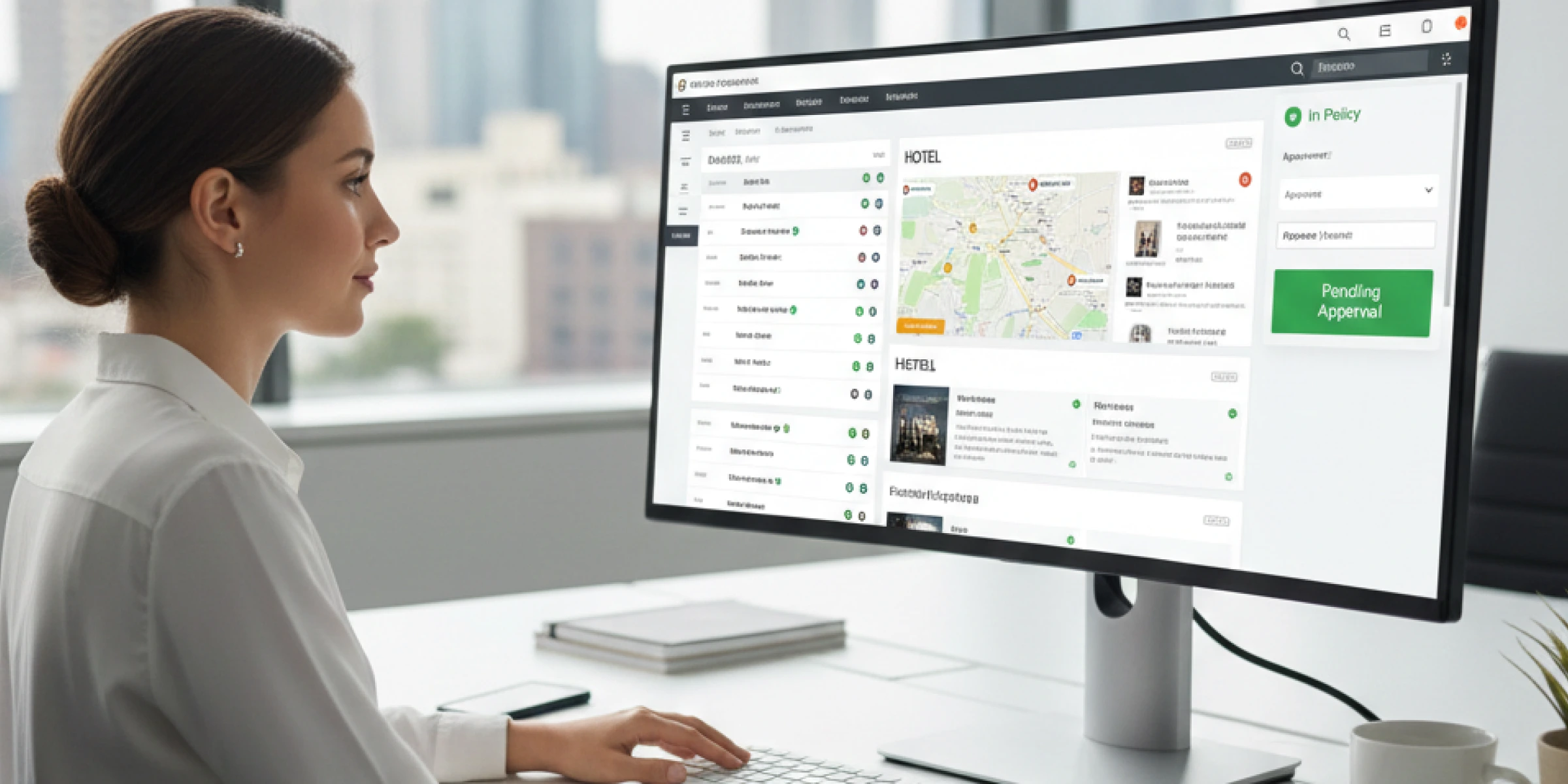
1. Centralised Search, Book and Approval
A unified interface brings complete visibility. Employees can:
- Search fares across airlines and providers
- Follow pre-set policy rules automatically
- Trigger approval workflows within the platform
Managers approve quickly, and the audit trail remains intact for compliance checks.
2. Uniform Invoices and GST-Ready Documentation
Consolidated platforms generate:
- Consistent GST invoices
- Clear tax breakups
- Automatic linkage of credit notes and refunds
- Document storage for every booking
Finance teams no longer chase receipts or correct invoice errors.
3. Real-Time Travel Spend Visibility
Most unified systems include dashboards that show:
- Department-level spending
- Route-wise price patterns
- Cancellation trends
- Project or cost-centre allocations
This helps leadership identify patterns and take informed decisions.
4. Stronger Cost Control
With consistent pricing and visible options, companies:
- Avoid inflated fares on public channels
- Reduce last-minute bookings
- Capture negotiated corporate fares
- Implement fare caps without manual checks
Over time, these changes reduce overall travel spend significantly.
5. Faster Support for Changes and Refunds
When bookings stay within one platform:
- Reissues follow a predictable process
- Refunds update automatically
- Credit notes are mapped without manual effort
This saves time for both employees and the support team.
Why Unified Travel Systems Perform Better Operationally
Beyond cost savings, consolidated systems offer operational advantages that fragmented methods cannot match.
Cleaner Policy Enforcement
Policies live inside the system rather than in PDF documents. This means:
- Out-of-policy bookings are flagged instantly
- Approvals flow through predefined paths
- Employees cannot bypass rules by choosing their own channels
This reduces friction between teams and protects the company from unexpected costs.
Improved Duty-of-Care
Knowing where employees are at any time helps with safety obligations. A unified platform provides:
- Real-time booking locations
- Travel history
- Alerts in case of disruptions
Fragmented booking cannot provide this visibility.
Better Experience for Travellers
Employees prefer systems that:
- Show fares clearly
- Allow easy changes
- Offer consistent support
A unified platform reduces the frustration of dealing with multiple vendors and inconsistent customer service.
Stronger Audit and Compliance Readiness
Consolidated systems maintain:
- Complete booking logs
- Approval histories
- Tax records
- Vendor details
This simplifies internal audits, external reviews and statutory compliance.
When Companies Should Move Away From Fragmented Methods
Most organisations reach a point where their current approach no longer works. The right time to upgrade often becomes clear through signs like:
- Frequent invoice disputes
- Rising travel costs despite no increase in volume
- Slow reimbursement cycles
- Difficulty tracking department-wise spending
- Employees booking outside policy
If any of these sound familiar, centralising travel is no longer optional.

What to Look for in a Modern Consolidated Travel Platform
Not all platforms are the same. Look for one that combines usability with strong financial controls.
Features to Prioritise
- Multi-channel inventory for flights, hotels, trains and cabs
- Smart approval workflows
- Built-in policy controls
- GST-compliant invoices
- Automated reconciliation
- Spend dashboards
- Easy modification and cancellation
- Secure data management
A strong platform also offers flexibility to accommodate company-specific rules.
Scalability Matters
Choose a tool that supports growth. As booking volumes expand, the system should handle:
- Multiple GSTINs
- Regional offices
- Cost-centre structures
- Multi-level approvals
The system should grow with the company rather than restrict it.
Reliable Support
Since travel is time-sensitive, dependable help is valuable. Look for:
- Quick response times
- Knowledgeable teams
- Assistance for reissues and refunds
Good support protects employees from travel-related stress.
FAQs
Why do companies lose money with fragmented booking?
Costs rise due to inconsistent fares, poor visibility, missing invoices, and weak policy controls. Without a unified system, companies cannot monitor patterns or prevent unnecessary expenses.
Does a consolidated travel platform reduce GST errors?
Yes. It provides consistent invoices, removes manual receipt collection and helps finance teams match tax data accurately.
Do employees find it restrictive?
Most employees prefer unified systems because they offer faster searches, clearer fares and simpler change management.
Can small companies benefit from centralised travel?
Even small organisations gain better control and visibility. As they grow, the platform prevents operational challenges.
How soon can companies see results?
Most teams report improvement in spend visibility and policy compliance within the first quarter of adoption.
Conclusion
If your organisation still relies on scattered booking channels, this is the moment to move toward a simpler, more controlled travel ecosystem. A unified platform gives finance teams clarity, travel managers order and employees a smoother booking experience. Companies that centralise their travel processes see immediate improvements in compliance and long-term reductions in cost.
To learn how a modern consolidated travel system can support your organisation, book a short demo and explore how your entire travel workflow can become more efficient and easier to manage.