

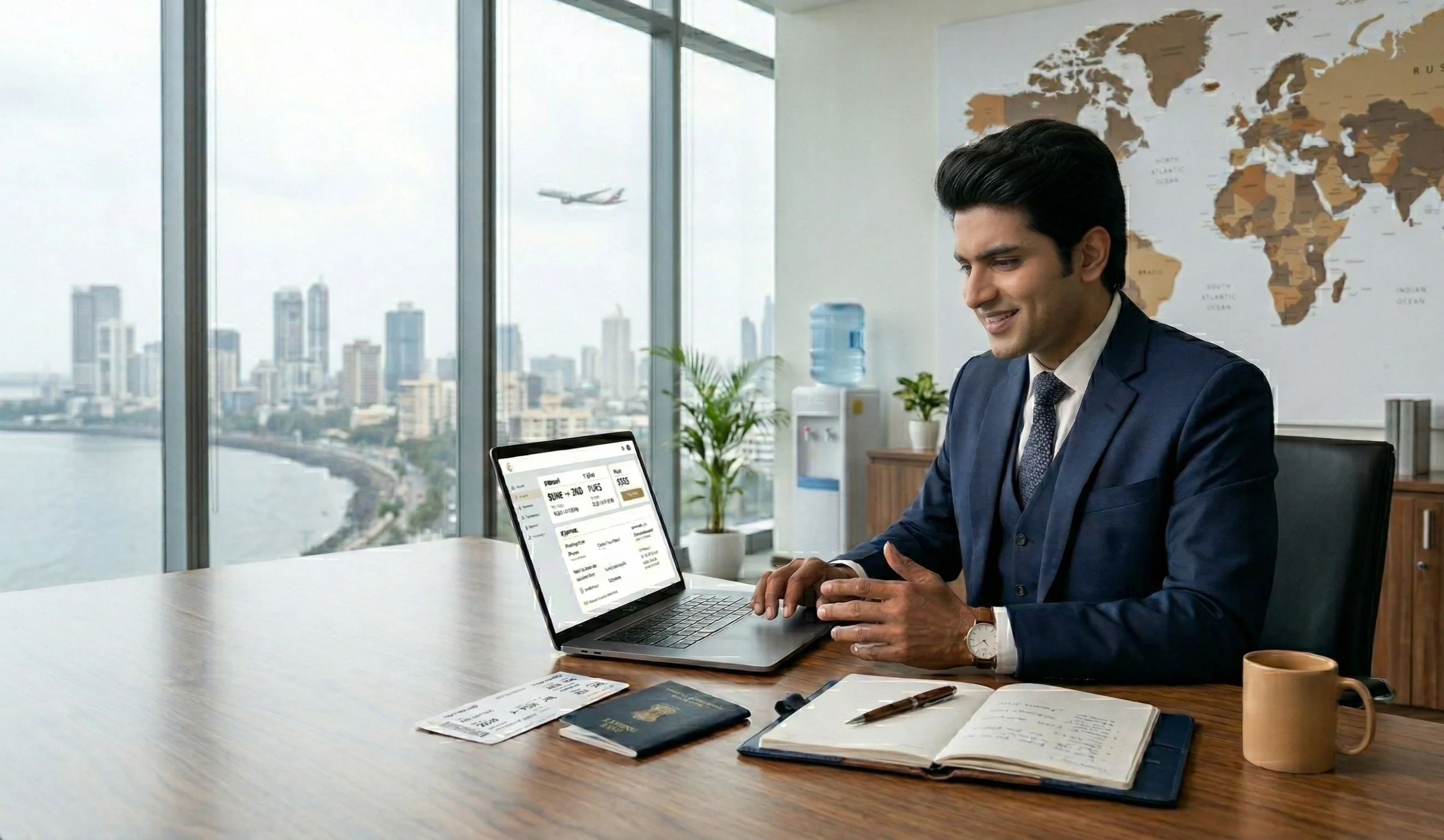
A growing company signs its first overseas client. The opportunity looks promising. A meeting in another country could strengthen the partnership and open new markets.
But before the trip is confirmed, several questions appear. What approvals are required for international travel? What visa documentation is needed? How should expenses be tracked? What happens if a traveller faces a sudden disruption abroad?
For many small and medium-sized businesses, international business travel policies often evolve slowly. Early trips may be arranged informally, with employees booking flights independently and submitting expenses afterward. As travel increases, this approach quickly becomes difficult to manage.
In 2026, SMEs need clear policies that address visa requirements, travel risk management, cost control, and traveller safety. A structured travel framework helps companies protect employees, control spending, and maintain compliance across borders.
This guide explains what modern international corporate travel policies should include and how SMEs can build a practical framework for managing global travel.
Why International Travel Policies Matter for SMEs
International travel introduces complexities that domestic travel rarely involves.
Different countries maintain distinct immigration rules, documentation requirements, and compliance standards. Even a short business visit can require careful preparation.
For SMEs expanding into markets such as Singapore, Dubai, or London, a structured travel policy helps ensure that every trip follows consistent procedures.
Without clear guidelines, companies may face challenges such as:
- Visa application delays
- Incomplete documentation
- Uncontrolled travel expenses
- Lack of traveller visibility during emergencies
Industry research published by the Global Business Travel Association shows that companies with structured travel policies maintain stronger cost control and better traveller support.
Key Changes Affecting International Business Travel in 2026
Corporate travel continues to evolve. Several developments are shaping international travel policies for SMEs.
Digital Visa and Entry Systems
Many countries are introducing electronic visa systems and digital entry approvals. These systems simplify travel preparation but still require careful documentation.
For Indian travellers, visa processes often depend on regulations issued by the Ministry of External Affairs.
SMEs must monitor these updates to ensure employees carry the correct travel documentation.
Increased Focus on Traveller Safety
Geopolitical developments, health advisories, and climate events have increased attention on traveller safety.
Companies must maintain the ability to locate and support employees travelling abroad.
Health updates from the World Health Organization often guide corporate travel safety policies.
Greater Financial Oversight
Finance teams now expect clearer visibility into travel spending.
International trips often involve:
- Higher airfare costs
- Foreign currency expenses
- Accommodation in major global cities
Travel policies help ensure these costs remain controlled and transparent.
Core Components of an International Travel Policy
A strong international travel policy should be simple, clear, and accessible to employees.
Travel Approval Procedures
International trips often involve larger budgets and longer travel times. Approval workflows ensure that travel aligns with business priorities.
Your policy should define:
- Who can approve international travel
- Required documentation for trip justification
- Budget thresholds for different destinations
Approval guidelines prevent unnecessary travel while supporting important business opportunities.

Visa and Documentation Requirements
Visa compliance is one of the most important elements of international travel.
Employees must understand what documentation is required before travelling.
Typical requirements include:
- Valid passport with sufficient validity
- Business visa approval
- Invitation letters from host organisations
- Proof of accommodation
For example, travellers visiting Dubai or Singapore may face different visa timelines and documentation standards.
Companies should assign responsibility for monitoring visa requirements.
Travel Insurance and Medical Coverage
International travel policies should clearly specify insurance requirements.
Coverage should include:
- Emergency medical treatment
- Travel cancellations
- Medical evacuation if required
Medical coverage is particularly important when employees travel to unfamiliar healthcare systems.
Flight and Accommodation Guidelines
Corporate travel policies help control travel costs by defining acceptable booking standards.
Typical guidelines include:
- Approved airline classes
- Hotel price ranges
- Preferred airline and hotel partners
Airlines such as Air India and IndiGo frequently operate international routes from India to global business destinations.
Clear booking guidelines help employees select cost-effective travel options.
Managing Travel Expenses Across Borders
International travel introduces additional financial complexities.
Employees may encounter:
- Foreign currency transactions
- Different tax structures
- Higher daily expenses in global cities
Policies should define how employees track and submit expenses.
Expense Reporting Requirements
Companies should specify:
- Which expenses are reimbursable
- Required receipts or documentation
- Currency conversion procedures
Digital expense tools can simplify reporting and reduce manual reconciliation.
Ensuring Traveller Safety During International Trips
Traveller safety is a major responsibility for organisations sending employees abroad.
A modern travel policy must include clear safety guidelines.
Emergency Communication Channels
Employees should know how to contact the company if problems occur.
Policies should include:
- Emergency contact numbers
- Local support resources
- Escalation procedures
Travel Risk Awareness
Before travelling internationally, employees should understand potential risks associated with their destination.
This may include:
- Local safety guidelines
- Transportation safety practices
- Health advisories
Government travel advisories and updates from the Ministry of External Affairs can provide useful information.
Traveller Location Visibility
Travel management platforms allow companies to track employee travel itineraries.
If disruptions occur in cities such as London or Singapore, organisations can quickly identify affected travellers.
This visibility improves response times during emergencies.
Leveraging Technology for International Travel Management
Technology helps SMEs manage international travel more efficiently.
Modern travel platforms allow companies to:
- Centralise bookings
- Monitor travel spending
- Track traveller locations
- Enforce travel policies automatically
Platforms like AtYourPrice integrate these capabilities into a single interface.
This simplifies travel planning while giving finance teams clearer visibility into travel spending.
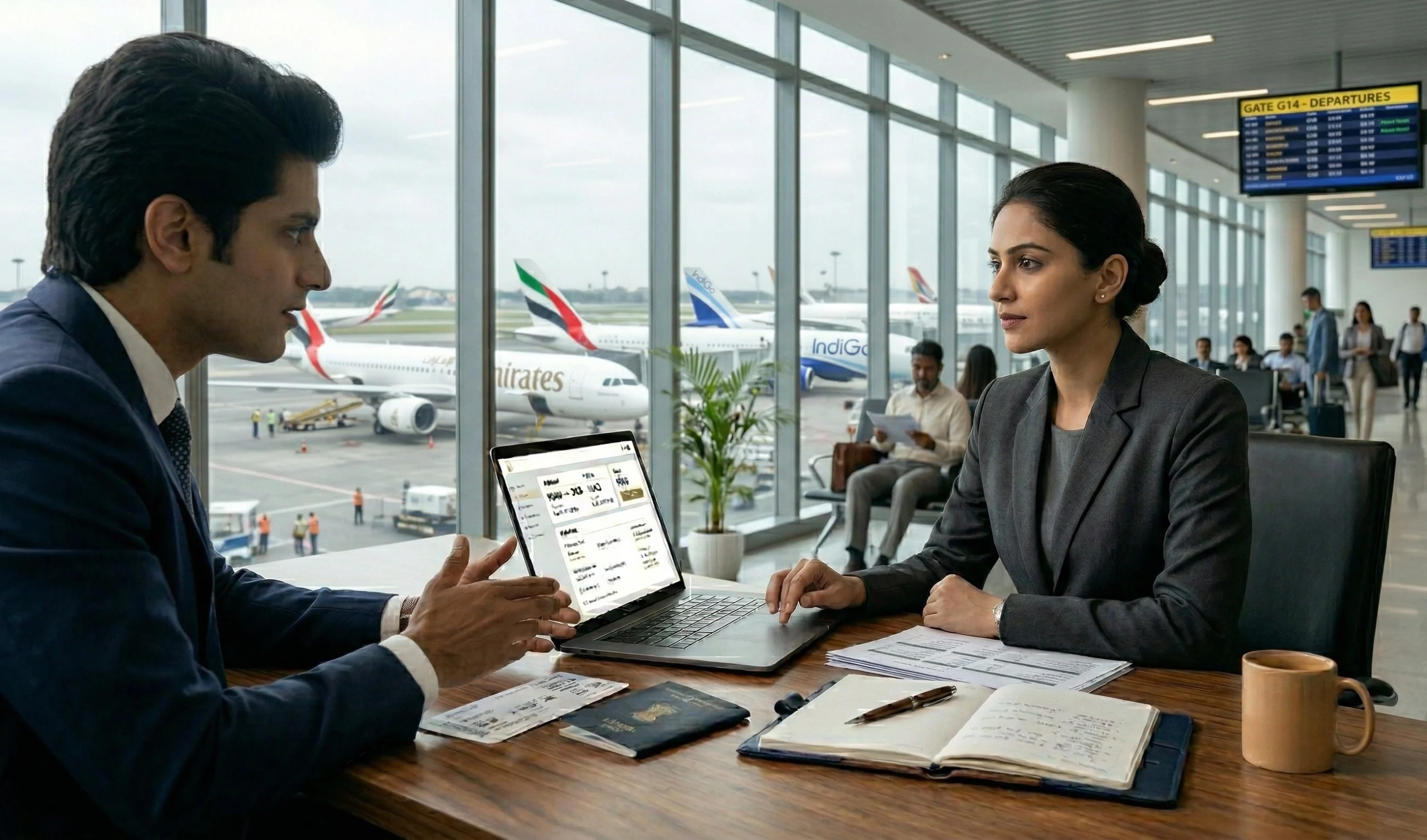
Training Employees on International Travel Policies
Even the best travel policy fails if employees do not understand it.
Companies should provide short guidance sessions covering:
- Visa documentation procedures
- Expense submission guidelines
- Safety practices during international travel
Employees who understand travel policies are more likely to follow them consistently.
Reviewing and Updating Travel Policies Regularly
International travel regulations change frequently. Companies should review their policies at least once a year.
Policy updates may be required due to:
- Changes in visa requirements
- New tax regulations
- Travel risk developments
Regular updates ensure the policy remains relevant and useful.
Frequently Asked Questions
What is an international business travel policy?
An international business travel policy outlines the rules and procedures employees must follow when travelling abroad for work.
Why do SMEs need a travel policy for international trips?
A travel policy helps control costs, ensure visa compliance, protect employee safety, and maintain consistent travel procedures.
What documents are required for international business travel?
Common requirements include a valid passport, business visa, travel insurance, and supporting documents such as invitation letters.
How can SMEs control international travel expenses?
Companies can control costs by defining booking guidelines, negotiating corporate travel rates, and monitoring travel spending through centralised platforms.
How often should travel policies be updated?
Most companies review their travel policies annually or whenever significant regulatory changes occur.
What role does technology play in managing international travel?
Travel management platforms centralise bookings, track travel spending, and provide visibility into employee travel locations.
Final Thoughts
International business travel offers SMEs valuable opportunities to expand into new markets and strengthen global partnerships. At the same time, overseas travel introduces regulatory, financial, and safety considerations that require careful planning.
A well-designed international travel policy provides structure and clarity for employees and management teams alike.
By defining approval procedures, visa requirements, expense guidelines, and traveller safety protocols, SMEs can support global travel without losing control of costs or compliance.
Technology also plays an important role. Modern travel management platforms help companies centralise bookings, monitor travel spending, and maintain visibility into traveller activity across the world.
If your organisation is preparing for more international travel in the coming years, now is the time to strengthen your travel policy and adopt smarter travel management tools.
Contact us today to learn how AtYourPrice can simplify international business travel and help your company manage global trips with confidence. Book a demo to see the platform in action.