


When your sales and field teams are always on the move, the one thing you can count on is a steady stream of hotel bookings. It looks simple until you try to manage it at scale. Rates jump without warning, invoices arrive late, reservations get lost, and teams end up booking outside approved channels when they are short on time.
If your organisation relies on frequent stays across cities, hotel management becomes more than a routine task. It turns into a strategic pillar of cost control, employee comfort, and productivity. This guide walks you through a practical, repeatable way to manage high-volume hotel bookings, whether you oversee a regional field force or a nationwide sales team.
Why Hotel Bookings Are Harder to Manage Than Flight Travel
Flights may take the spotlight, but hotels generate a larger volume of transactions. Each night is a separate charge. Each change in date affects availability. Each missed check-in can lead to no-show fees.
Companies that handle high-volume stays often run into problems such as:
- Rates fluctuating across cities and seasons
- Difficulties negotiating corporate rates without consistent data
- Bookings split across multiple online and offline channels
- Employees preferring to book consumer sites for convenience
- Incomplete or delayed invoices
- Lack of visibility into who stayed where and why
You cannot control every variable, but you can design a structure that reduces friction for employees and improves cost efficiency for your organisation.
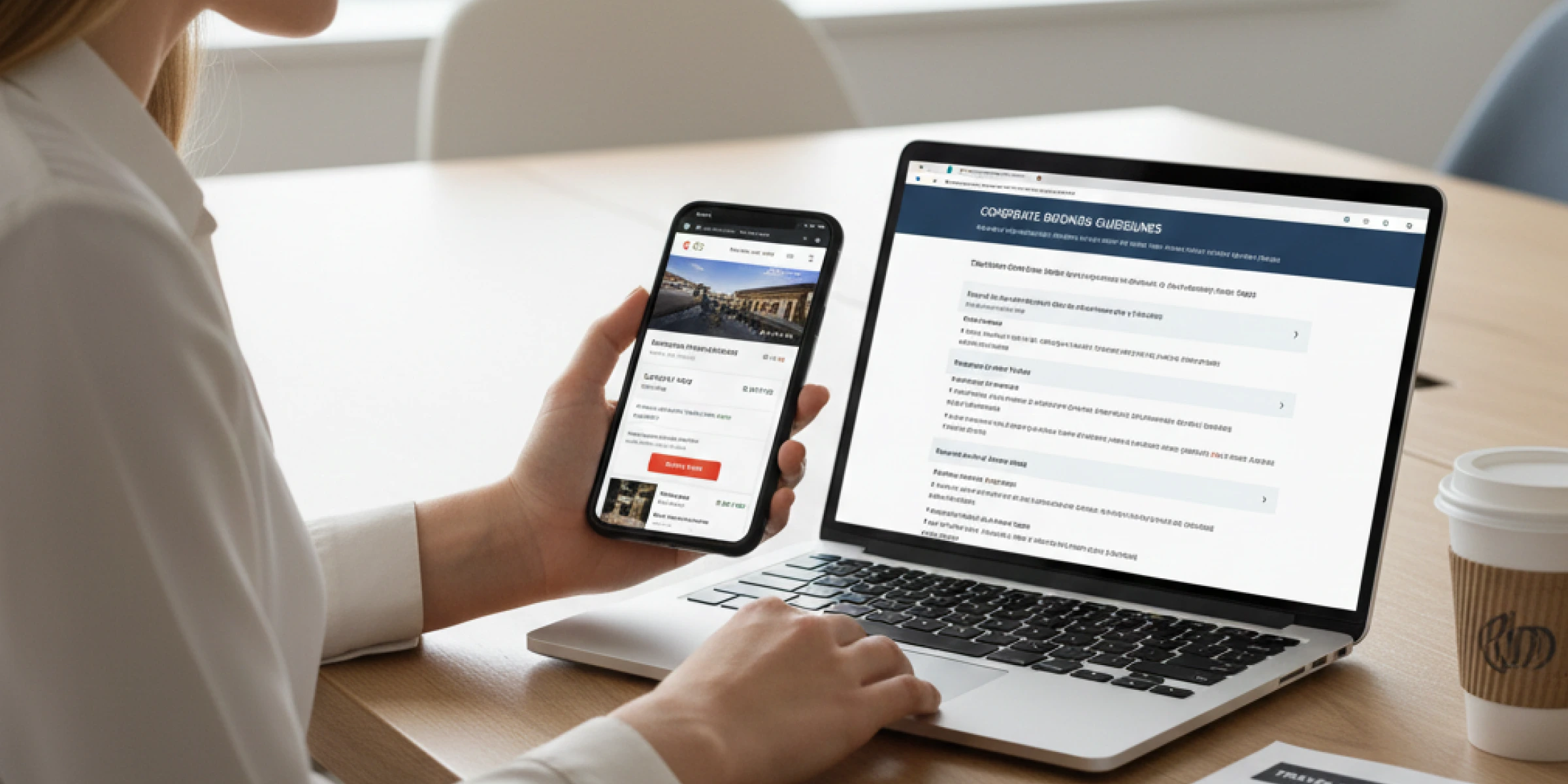
Building a Centralised Strategy for Hotel Booking Management
A strong foundation begins with clarity. Sales and field teams have tight schedules and depend on predictable, safe, and accessible stays. That requires consistent processes and an ecosystem that removes guesswork.
1. Create a Clear Hotel Booking Policy That Works for the Field
Policies only work when they are designed around real travel conditions. A good hotel policy covers:
- Eligible hotel categories and price caps
- How far hotels should be from client locations or field sites
- Safety requirements for late-night check-ins
- Approved booking channels
- Guidelines for personal loyalty points
- When upgrades are allowed
- Process for changes and cancellations
Keep the policy simple enough that employees remember it. Avoid technical language and long documents that no one reads.
2. Identify Your High-Density Travel Zones
Most field and sales movements follow patterns. Look at the last 6 to 12 months of hotel stays and identify:
- Top ten cities by volume
- Locations where employees frequently extend stays
- Cities where rates fluctuate sharply
- Regions where employees book far from work sites
Once you know where the demand is concentrated, focus your negotiations and processes around those locations.
Tip: High-density zones are usually the best places to negotiate stable corporate rates.
3. Consolidate Bookings Under One Platform
The biggest challenge in hotel management is scattered bookings. Employees book apps and consumer sites because they are fast. The result is poor visibility for the company.
A single booking platform solves this issue by offering:
- Centralised inventory
- Pre-configured budget ranges
- Real-time availability
- Policy checks during booking
- Easy modifications
- Access to GST invoices
- Transparent rate comparisons
Platforms like AtYourPrice go a step further with AI-supported recommendations that highlight hotels with better value or compliance fit, giving employees convenience while helping companies avoid leakages.
4. Standardise Hotel Preferences Based on Trip Purpose
Field and sales teams travel for different reasons. A trip for client meetings is not the same as one for on-site inspections. You can classify stays into groups:
- Short overnight stays
- Multi-day client visits
- Long project assignments
- Peak-season business travel
- Last-minute stays
For each category, create preferred hotel lists. This improves consistency and helps teams understand which options to choose without confusion.
5. Build Strong Hotel Partner Relationships
Negotiating better deals is easier when you have data. Hotels appreciate consistent volume, predictable payment cycles, and fewer no-shows. To get the best outcomes:
- Share volume reports with hotels
- Negotiate early for peak seasons
- Agree on flexible cancellation terms
- Discuss complimentary inclusions such as breakfast or Wi-Fi
- Clarify billing terms and payment timelines
- Request dedicated support contacts
A well-managed partnership reduces operational headaches and makes stays smoother for employees.
Ensuring Compliance Without Making Travel Harder
Compliance is often viewed as restrictive, but if implemented well, it supports both employees and the organisation. Instead of policing behaviour, build a system where the easiest option is also the compliant option.
1. Use Pre-Trip Controls Instead of Post-Trip Corrections
A common mistake is relying on expense reports to discover violations. By then, the damage is done.
Pre-trip controls avoid unnecessary spending through:
- City-wise price caps
- Real-time alerts for out-of-policy selections
- Budget suggestions during booking
- Automated rejection of bookings outside allowable ranges
This reduces back-and-forth with employees and eliminates confusion.
2. Make Booking Experience Faster Than Consumer Apps
The main reason employees book outside approved channels is ease. If the company’s system is slow, confusing, or outdated, people will look elsewhere.
To keep every reservation inside the platform:
- Offer a mobile-friendly booking experience
- Reduce the number of approval steps
- Provide clear hotel descriptions and amenities
- Allow quick rebooking when plans change
Systems like AtYourPrice help employees book within minutes while retaining complete policy oversight.
3. Improve Visibility for Managers
When managers know where their teams are staying, they can plan better and reduce risks. Provide supervisors with a simple dashboard that shows:
- Who is travelling today
- Where they are staying
- How long they are booked for
- Any policy alerts
- Upcoming high-volume travel periods
This ensures operational readiness and personal safety for field staff.
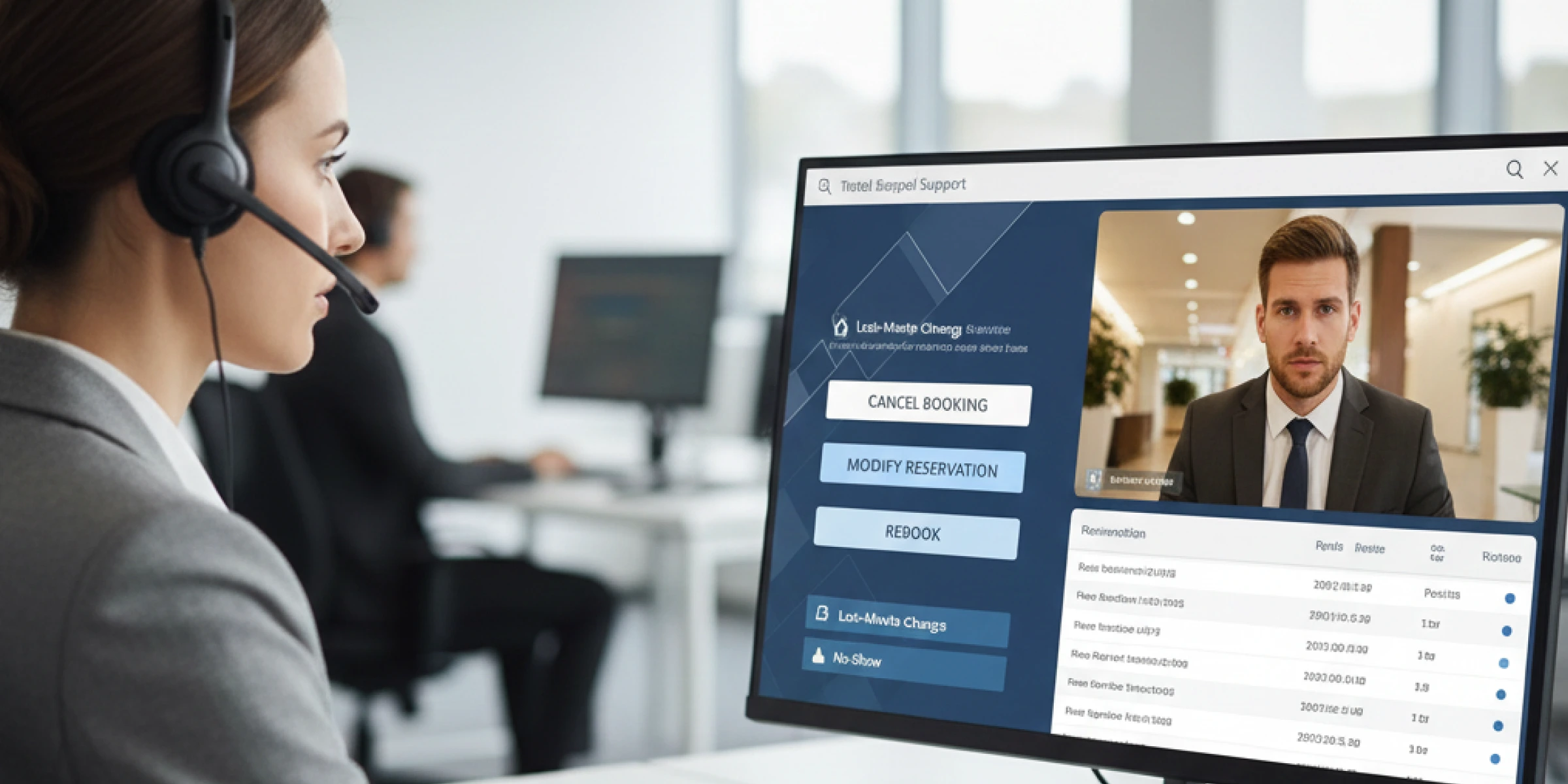
Handling Cancellations, No-Shows, and Last-Minute Changes
Sales and field teams have unpredictable schedules. Meetings shift. Field work gets extended. Plans change at the last minute.
A good hotel management system must adapt to these realities.
How to keep costs under control during last-minute changes
- Negotiate lenient cancellation windows
- Keep a list of hotels with flexible terms
- Use a platform that allows instant modifications
- Track no-show patterns to identify high-risk locations
- Offer employees quick access to support when plans change
Clear communication around cancellations saves money and improves relationships with hotels.
Building an Efficient Invoicing and Reconciliation Workflow
Hotel invoices are one of the most time-consuming parts of travel accounting. They arrive at different times, in different formats, and often with missing GST information.
To simplify reconciliation:
1. Shift to automated invoice collection
A travel platform that fetches invoices directly from hotels or partner systems removes manual follow-up. It ensures invoices are stored in one place with consistent naming formats.
2. Match invoices with booking data
Linking invoice details with booking IDs, employee names, stay dates, and GST numbers prevents mismatched records.
3. Maintain a database of GST-compliant hotel partners
This reduces errors during audit cycles and improves compliance.
AtYourPrice simplifies these tasks by tying bookings, invoices, and traveller data into a unified system. It eliminates the back-and-forth between finance, hotels, and employees, creating reliable datasets for audits and forecasting.
Using Data Insights to Optimise High-Volume Stays
Once bookings are consolidated, you gain access to rich information that can drive major cost savings.
Key insights to track
- City-wise average nightly rates
- Hotel-wise performance in top locations
- Route patterns of field teams
- Lead times for bookings
- Budget deviations
- Peak travel weeks and months
- No-show trends
- Off-channel leakage
These insights help you identify where you need stronger corporate rates, where employees may need training, and which hotels offer the best value for each zone.
FAQs: What People Also Ask
1. How do companies manage high-volume hotel bookings?
Companies manage high-volume stays by centralising bookings, creating clear policies, consolidating invoices, and using travel platforms that streamline approvals and reporting.
2. What is the best way to negotiate hotel rates for sales teams?
The best approach is to analyse historical data, identify high-demand cities, share regular forecasts with hotels, and secure annual or seasonal rate agreements.
3. How can organisations reduce hotel booking costs?
Cost reduction comes from using preferred hotel lists, enforcing policy through pre-trip controls, negotiating based on accurate data, and consolidating bookings through a single platform.
4. Why do sales teams frequently book outside approved channels?
They often choose consumer apps because of convenience. A fast and easy internal platform reduces this behaviour.
5. How can travel managers improve hotel booking compliance?
Provide clear policies, enable quick bookings, offer mobile access, and use automated approval workflows.
Conclusion: A Better Way to Manage High-Volume Hotel Bookings
Hotel stays form a large share of travel budgets, especially for sales and field teams. When bookings are scattered or policies are unclear, costs rise and visibility drops. But with a structured approach, centralised systems, and reliable data, you can transform hotel management from a daily struggle to a predictable, efficient process.
If you want to streamline hotel bookings, reduce leakage, and gain full visibility over stay patterns, explore how AtYourPrice can help you build a modern hotel programme.
Book a demo today and see how simple high-volume hotel management can become.