

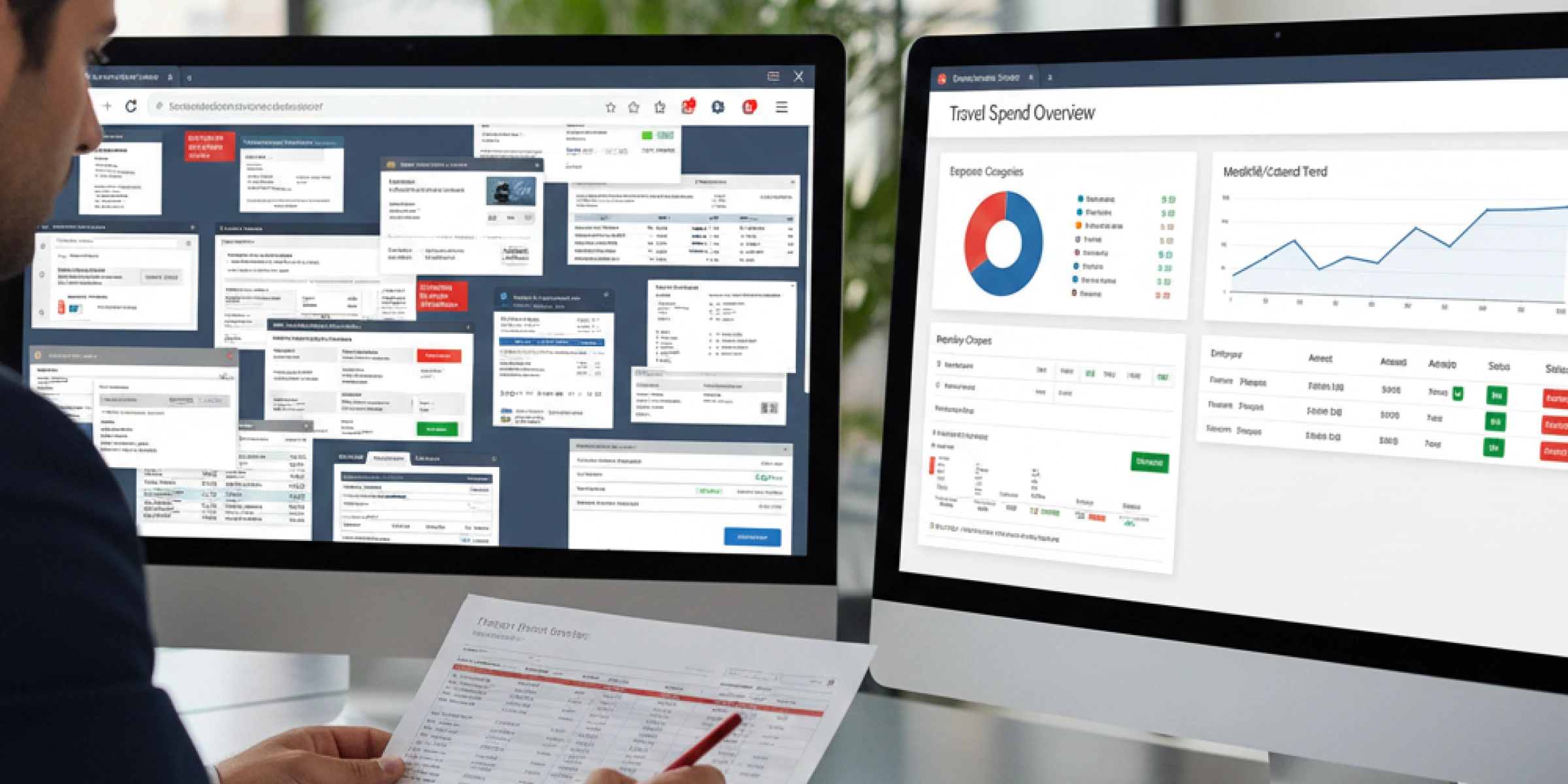
Most companies believe they understand their travel spend. The invoices are there, the cards are charged, and the bills eventually get paid. Yet when finance or HR tries to answer simple questions such as “Where is our money actually going?” or “Are employees following policy?”, the numbers rarely add up.
Travel data looks tidy on the surface, but anyone who has tried to reconcile flight bookings across multiple portals or match invoices against HR records knows how chaotic it can become. Cleaning it up is not only possible but essential if you want predictable budgets, compliant travel, and reliable insights.
This guide offers a practical framework that finance and HR teams can follow to bring order to messy corporate travel data. You will find clear steps, realistic examples, and a structure that can be repeated every quarter.
Why Travel Data Becomes Messy in the First Place
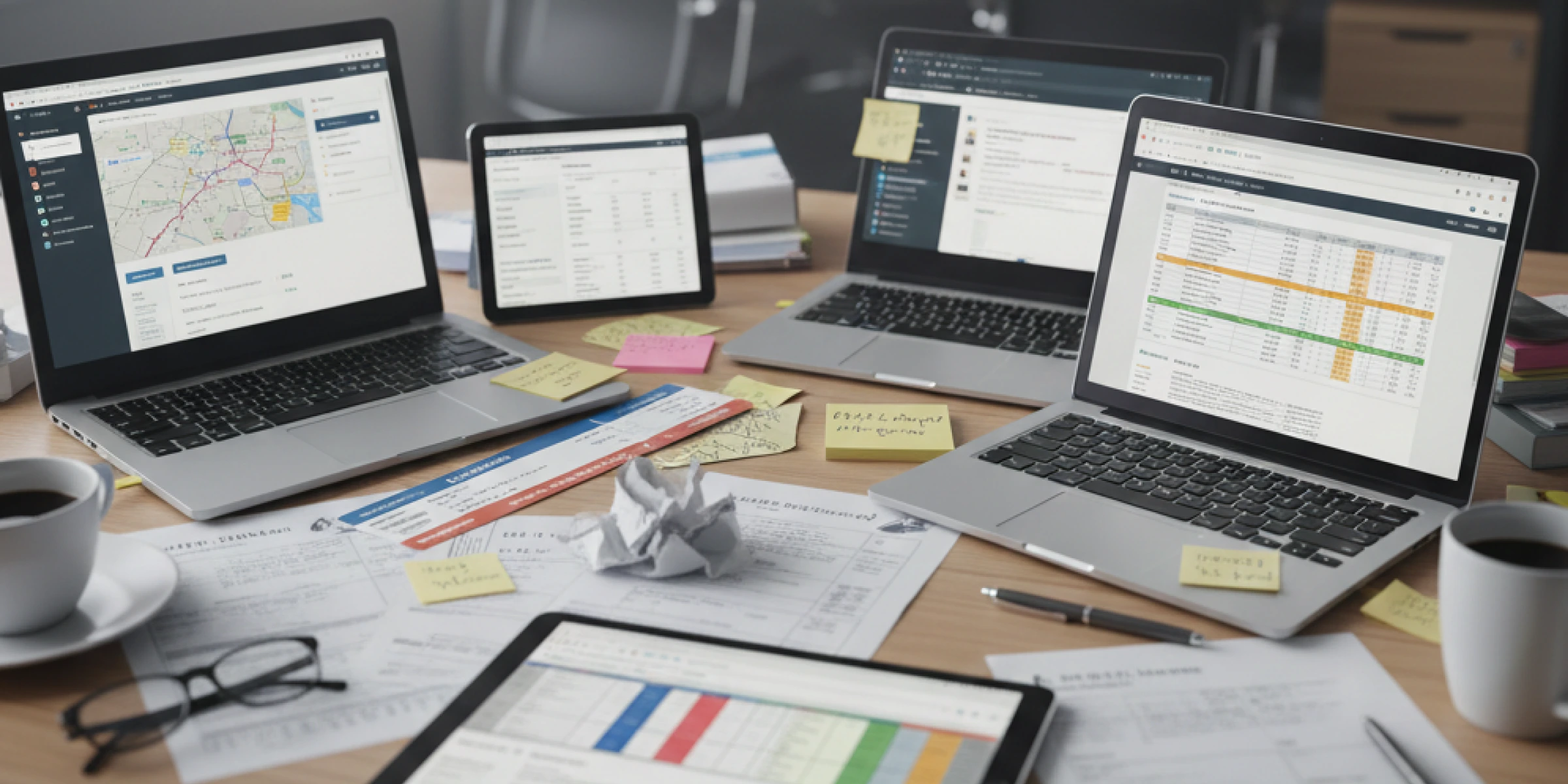
Corporate travel looks simple when viewed from a distance. Employees book a trip, travel, claim expenses, and close the loop. In reality, each of those steps creates data in different systems, leaving room for mismatch and missing information.
Common reasons for poor travel data quality include:
- Bookings scattered across offline agents, consumer sites, and internal desks
- Invoices arriving in inconsistent formats and timeframes
- Expense claims not matching booked itineraries
- Multiple GST numbers, project codes, or cost centers
- Changes or cancellations that never get updated in finance systems
- Lack of a unified reporting view for travel, HR, and finance
Once these issues accumulate, it becomes difficult to track leakage, negotiate meaningful vendor rates, or demonstrate compliance.
A structured clean-up solves this.
The Five-Step Framework for Travel Data Clean-Up
This method is designed to work whether you are handling a small dataset or years of legacy information.
1. Map Every Source of Travel Data
Before you clean anything, you must know exactly where the information comes from. Most organisations underestimate this step.
Look for sources such as:
- Online booking tools
- Offline travel agents
- Airline and hotel portals
- Corporate card statements
- Expense management systems
- HR databases
- GST and invoice repositories
Create a simple map showing which department owns each source, which data fields it stores, and how frequently it updates. This map becomes your reference for the rest of the project.
Tip: If your company allows employees to book outside approved channels, mark those as high-risk sources. They tend to produce the most inconsistent data.
2. Identify Core Fields That Must Match Across Systems
A clean dataset does not require hundreds of fields. It needs a few consistent ones that form the backbone of any travel report.
For most companies, this includes:
- Employee identifier (email or unique code)
- Trip dates
- Route details (origin, destination, return)
- Vendor name (airline, hotel, car rental)
- Cost center or project code
- GST details
- Booking channel
- Final invoice amount
Create a master list and check which sources are missing these fields. If one system uses Mumbai while another uses BOM, standardise it. Small mismatches create large reporting errors.
3. Remove Duplicates, Errors, and Incomplete Records
This is where the heavy lifting happens. You will find:
- Duplicate bookings for the same trip
- Cancelled trips that still appear as active
- Expense claims with missing receipts
- Invoices with incorrect GST splits
- Bookings with mismatched employee IDs
To manage this:
- Remove exact duplicates
- Use date and route logic to identify near-duplicates
- Mark incomplete records and follow up with departments
- Align employee data with HR records
If a travel management platform uses automated reconciliation, a significant part of this work is handled by the system. Even then, manual audits every quarter help maintain accuracy.
4. Consolidate the Cleaned Data into One View
Once errors are removed, merge the data into a single reporting layer. This could be a BI dashboard, a finance data warehouse, or the reporting module of your travel platform.
Your consolidated view should answer questions like:
- What is our total travel spend for the quarter?
- Which business unit spends the most?
- What are the top 10 routes and vendors?
- How much leakage is occurring outside approved channels?
- Are employees booking within policy?
If you use a travel platform that unifies all booking and invoice data, you gain this clarity instantly. Otherwise, you can build a central dataset using a BI tool.
5. Build an Ongoing Governance Routine
Cleaning data once is not enough. A maintenance routine ensures accuracy stays intact.
A good governance structure includes:
- Monthly checks for duplicates and mismatches
- Quarterly alignment of HR and finance data
- Annual vendor reviews using accurate travel data
- Policy updates based on actual booking behaviour
- Automated alerts for overspending or out-of-policy bookings
When recurring reviews become part of your workflow, data problems shrink over time.
What Clean Travel Data Enables for Finance and HR
A well-structured dataset unlocks benefits that go far beyond neat spreadsheets.
Smarter Budgeting and Forecasting
Accurate route patterns and vendor usage show where costs will likely rise or fall. Finance teams can forecast with confidence instead of guessing.
Better Vendor Negotiations
Airlines and hotels respond positively when companies present precise numbers. Clean data strengthens your negotiation position and supports better corporate rates.
Real-time Policy Enforcement
With transparent data, you can pinpoint policy gaps. For example:
- Are employees choosing higher fare classes than needed
- Are certain teams booking close to travel dates
- Are some routes consistently overpriced
A platform that provides real-time analytics will surface these insights quickly.
Simplified GST and Compliance Work
Clean data helps match invoices with booking details and internal records, creating fewer errors during GST claims or audits.
This is an area where organisations that use unified travel systems see significant improvement, since much of the matching is handled automatically.

How Modern Travel Platforms Strengthen This Framework
Finance and HR teams often spend weeks reconciling manual data. A centralised booking and invoice system removes a large portion of this workload.
Modern corporate travel platforms provide advantages such as:
- One booking channel for flights, hotels, and cars
- Automated matching of invoices with trip data
- AI-powered anomaly detection for violations or unusual patterns
- Real-time dashboards for spend visibility
- Pre-approved budgets connected to booking workflows
- Accurate GST summaries linked to bookings
Teams that adopt these systems begin with cleaner data from day one, making maintenance easier.
Platforms like AtYourPrice take this further by pairing centralised booking with intelligent spend analysis that highlights leakages, vendor patterns, and compliance gaps. Without stating it directly, these capabilities reduce manual reconciliation and present finance teams with organised, audit-ready data.
How to Build Internal Alignment for a Travel Data Clean-Up
Even the best framework fails if departments do not cooperate. To drive alignment:
Set a shared objective
Bring HR, finance, procurement, and travel managers together to agree on the outcome. It could be:
- Reliable quarterly travel reporting
- Reducing leakage
- Improving compliance
- Preparing for vendor negotiations
Assign owners to each data source
Make it clear who is responsible for expense data, HR data, invoices, and bookings. Ownership speeds up decisions.
Communicate upcoming changes to employees
If you shift to a single booking platform or introduce stricter workflows, inform employees early. Reduced leakage depends on strong adoption.
FAQs: What People Also Ask
1. Why is corporate travel data often inaccurate?
Travel data becomes inaccurate due to scattered booking channels, missing fields in invoices, manual expense entries, and changes to itineraries that never sync across systems. A structured clean-up process corrects these inconsistencies.
2. How can finance teams reduce data leakage in travel?
Leakage reduces when companies use a central booking tool, enforce policy during booking, and track off-platform reservations. Periodic audits and route-wise reporting also help.
3. What is the best way to reconcile travel invoices?
The most reliable approach is to match invoices with booking data, expense claims, and HR records. Automated reconciliation tools within corporate travel platforms make this faster and prevent human errors.
4. How often should companies audit their travel data?
Monthly light checks and quarterly deep audits work best. Annual audits help with vendor negotiations and policy updates.
5. Can AI make corporate travel data cleaner?
Yes. AI can detect anomalies, identify duplicate bookings, flag suspicious claims, and highlight outliers. It simplifies tasks that usually take finance teams weeks.
Conclusion: Clean Travel Data Starts with a Single Decision
Companies often believe travel data clean-up is too large or too messy to begin. Yet the benefits arrive quickly once the right framework is in place. Finance and HR gain reliable numbers, fewer disputes, and clearer visibility over the organisation’s travel behaviour.
If you want to simplify this process, explore how a unified platform can organise bookings, invoices, and compliance into one dependable system.
To see how this works in practice, book a demo with AtYourPrice today and turn your travel data into a strategic asset.